Category Archives: General

Winter Weather Update – Road Conditions 1/24/2026

Roads are still very slick and you should stay home, warm and safe for as long as possible. Don’t get out unless it is absolutely critical to do so and use 4-wheel drive. 2 wheel drive vehicles WILL NOT DO WELL on this ice and snow. We have some reports about plowing but it will take days to get to side streets. Perry County is plowing HWY 113. Pulaski is plowing Parts of Lawson and Col Glenn and Saline county is hard at work to try to get Congo Ferndale and other main roads. Side roads, connectors and residential streets will mostly happen later once main roads are completed for first round plowing. If you have road reports, add them here for plowing near you. Share road conditions, closures you see. We will share what we know also.

Due to the icy roads, emergency responses could be delayed but we are responding to emergencies. Dial 911 for any emergency.

Be sure to follow our FB page or Instagram to get direct updates for west West Pulaski Fire Department (Little Rock, Arkansas) www.wpfirerescue.org

Heater Safety

Using supplemental heat to mange the extreme cold and inclement weather can help take some of the demand off of your homes primary heating system. We want every to be sure that they are using heaters approved for indoor use only operating them safely. We have seen the extreme situations where high output propane or kerosene heaters are used indoors can cause fires and can lead to carbon-monoxide poisoning. Carbon monoxide is an odorless, colorless gas produced during the combustion process, particularly when the heater is not burning fuel efficiently. Some can also can also produce other potentially harmful pollutants like nitrogen dioxide and sulfur dioxide.

Be sure your Propane heaters are rated properly for safety and maintained:
-Use Only Indoor-Rated Heaters: Never use an outdoor propane heater inside a home, tent, or garage.
-Ensure Proper Ventilation: Always keep a window or door cracked open to provide a fresh oxygen supply and allow exhaust gases to escape.
-Install a CO Detector: A battery-operated carbon monoxide detector is the only way to reliably detect the gas.

Be sure your Kerosene Heaters are clean and operating efficiently:
-Use Only K-1 Kerosene: Use high-quality, clear K-1 grade kerosene. Never use gasoline, diesel, or camping fuel, as these can cause uncontrollable flames and excessive toxic fumes.
-Install a CO Detector: Since carbon monoxide is odorless and colorless, a battery-operated CO detector is essential to provide early warning.
-Never Leave Unattended: Do not leave a kerosene heater running while sleeping or away from home.
-Refuel Outdoors: Always turn the heater off and let it cool completely before refueling outdoors to avoid fire hazards and inhaling concentrated fumes.
-Regular Maintenance: Inspect burners for dirt and ensure they are clean and functioning correctly.

Do you know the signs of Hypothermia?

Extreme temperatures are expected in the weekend and following week. Hypothermia is a possibility as the extreme cold temperatures and exposure can cause some very dangerous consequences. Be sure to know the signs of hypothermia to keep yourself safe and call for help as soon as you know help is needed. Call 911 for hypothermia emergencies.

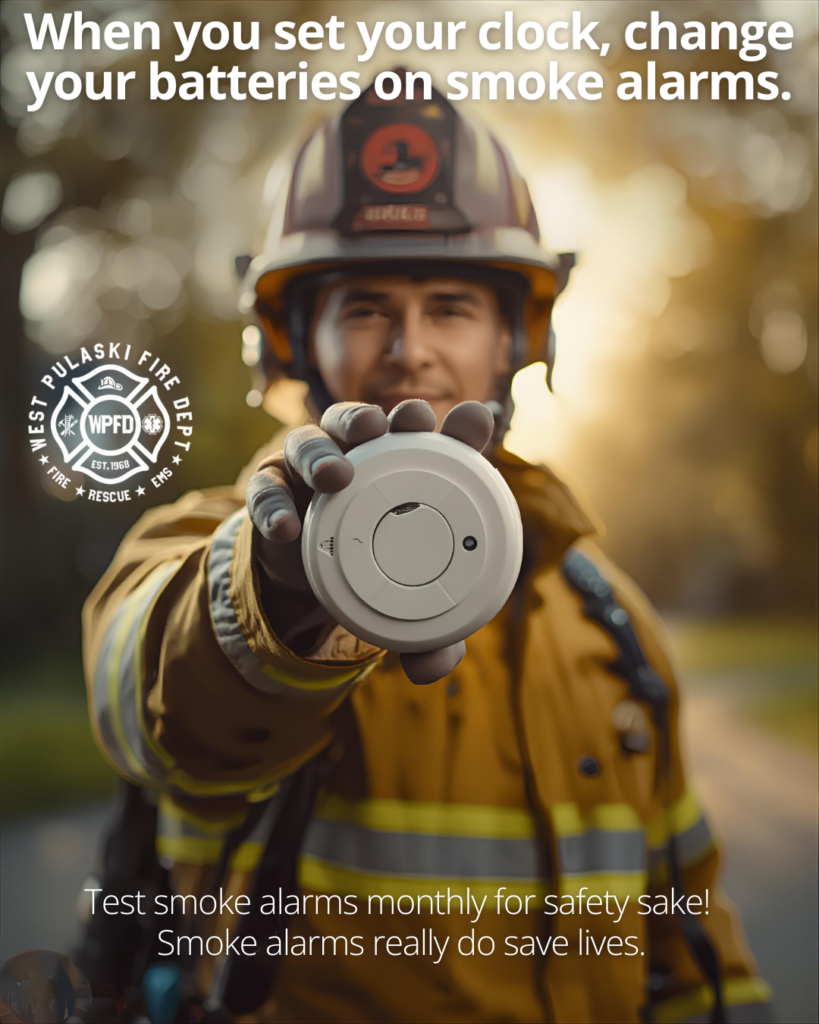
Smoke Alarms Save Lives

The number of fire alarms we are respond to each week are increasing dramatically. These are not just noisy false alarms. They are also fires that consume all or part of the homes. Working smoke and carbon monoxide devices are critical to let you know of a dangerous condition in your home. Smoke, heat, and dangerous gas sensors like carbon monoxide are critical warning devices you need to be alerted or even awakened to make your safe exit. DO NOT WAIT to ensure your safety warning devices are in good working order. As several families have found out recently, the time from warning about danger and exit can be only a few minutes to get yourself and family to safety.

Have older style smoke alarms? Check them regularly. Replace batteries twice a year (older style).
If your smoke alarm is older than 10 years the sensor is likely degraded, newer style devices have long life batteries that can last a full 10 years and then you just replace the entire unit each decade. Simple.

Don’t have one? Get one online and at any major retailer or home store. These are inexpensive insurance to ensure you and your family get out alive.

Stay safe!